

Commercial Property Appraisals
in
Northwest Ohio
Independent, defensible valuations for transactions, estates, litigation, refinancing, and investment decisions.
When you need a credible opinion of value for commercial real estate, clarity matters. Appraisal Resources, Ltd. provides professional commercial property appraisals for attorneys, CPAs, lenders, investors, business owners, and property owners throughout Northwest Ohio. Our reports are developed to support important financial, legal, and strategic decisions with confidence.
Independent | Objective | MAI-level Commercial Valuation Expertise

Tell Us About the Assignment
Complete the form below, and we’ll review the details provided. If additional information is needed, we’ll follow up to clarify the assignment and next steps.
Professional. Private. Straightforward.
Your information is handled with professionalism and discretion. We understand that many appraisal requests involve legal, financial, or personal matters, and we approach every inquiry with appropriate care.
Prefer to speak directly? Call 419-356-6419.
Estate Planning Appraisals
's Leading Appraisal Firm
Providing high quality appraisals of residential and commercial properties in a timely & professional manner.
's Leading Appraisal Firm
Providing high quality appraisals of residential and commercial properties in a timely & professional manner.
's Leading Appraisal Firm
Providing high quality appraisals of residential and commercial properties in a timely & professional manner.
We Specialize In Appraisals For:

Save Time on Transaction Closings
We produce fast, accurate valuations so CPAs and deal teams close transactions on schedule.

Avoid Valuation Surprises in Estates
Our detailed appraisal reports reduce valuation surprises in estate and probate matters for attorneys.

Support Informed Portfolio Decisions
We deliver portfolio-grade analyses that help commercial owners make confident investment decisions.
Our Simple 3 Step Appraisal Process
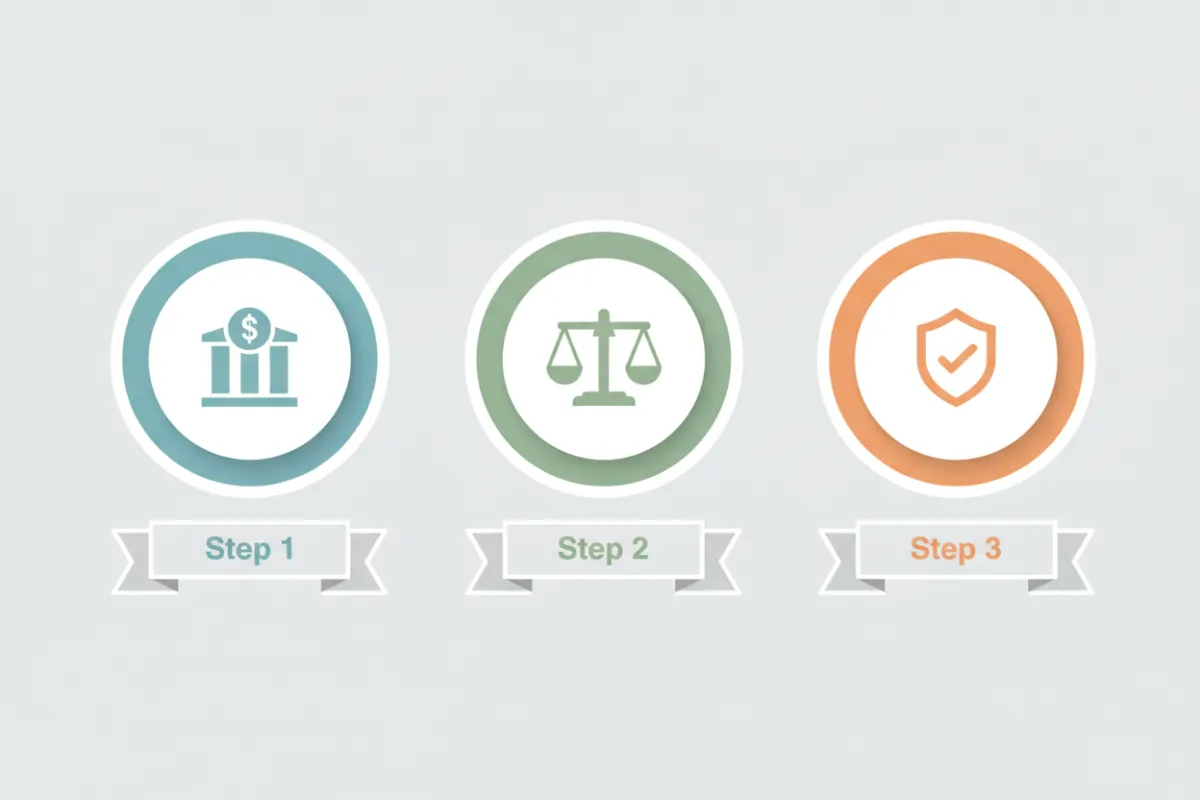
Step 1: Provide Project Details & Timelines
Provide project details and timelines for a fast start.

Step 2: Expert Commercial Valuation & Report
We perform a commercial valuation and deliver a concise report.

Step 3: Deliver Court/Transaction-Ready Report
Receive a court- and transaction-ready report for your needs.
Commercial Appraisals for High-Stakes Real Estate Decisions
We provide commercial property appraisals for clients who need reliable valuation support for financial, legal, and transactional decisions.
Transaction Closings
Support purchase, sale, refinancing, and deal structuring decisions with a market-supported valuation.
Reduce uncertainty in estate administration with a clear, defensible opinion of value.
Estate & Probate Matters
Litigation & Dispute Support
Use independent appraisal reporting for disputes, negotiation, and case preparation.
Make acquisition, hold, refinance, and disposition decisions with stronger valuation insight.
Portfolio & Investment Analysis
Why Clients Request a Commercial Property Appraisal
Commercial real estate decisions often involve large financial exposure, legal scrutiny, or negotiation pressure. An independent appraisal helps establish a credible value opinion based on property characteristics, market conditions, income potential, and comparable market data.
Support Important Decisions
Use an objective value opinion when timing and accuracy matter.
Strengthen Negotiations
Bring defensible valuation support into transactions, disputes, and internal decision-making.
Reduce Risk
Make better-informed decisions with reporting grounded in recognized appraisal methods.
Our 3-Step Commercial Appraisal Process
Step 1
Share the Property Details
Tell us about the property, the purpose of the appraisal, and your timing needs.


Step 2
We Analyze the Property and Market
We inspect the property, gather market and financial data, and develop a credible value opinion.
Step 3
Receive a Defensible Appraisal Report
Get a professional report designed to support your transaction, case, estate, refinance, or business decision.
What Information Helps Us Get Started
If available, these items can help us begin the appraisal process more efficiently.
Documents
Current rent roll
Leases and amendments
Operating statements for the last 2 to 3 years
Property tax bills
Survey, site plan, or floor plans
Recent improvement or renovation details
Access & logistics
Representative tenant spaces
Common areas and mechanical rooms
Exterior areas, parking, and loading zones
Occupancy and use details
Planned improvements
Known deferred maintenance
If some items are not available, provide what you can. We will advise you on the next best step.
Commercial Property Appraisal FAQs
What information should I have available?
If available, please provide rent rolls, leases, operating statements, tax records, plans, and details on recent improvements.
What will the appraiser need access to?
The appraiser may need access to representative tenant spaces, common areas, mechanical rooms, exterior areas, and parking or loading areas.
What questions might the appraiser ask?
Questions may focus on occupancy, use, improvements, deferred maintenance, access, and property operations.
What should I not worry about?
Minor wear and tear, clutter, or normal business activity generally do not negatively affect the appraisal process.
What is the appraiser’s role?
The appraiser provides an independent, objective opinion of value based on market evidence and property analysis, not advocacy for a desired outcome.
Where does the appraiser get the information used to estimate value?
Commercial appraisals typically draw from property-specific information, public records, market data, income and expense data, inspection findings, and professional valuation analysis.
Why Choose Appraisal Resources, Ltd.
Independent and impartial commercial valuations
Experience across office, retail, industrial, and other commercial property types
Reporting designed for transactions, estate matters, litigation, and business decisions
Local market knowledge in Northwest Ohio
Professional communication and defensible analysis
Work With an Experienced Commercial Appraiser

Jon — Commercial Appraiser,SRA
Jon provides commercial real estate appraisal services for clients who need credible valuation support in complex matters. His experience includes office, retail, and industrial properties, as well as work supportiang high-stakes financial and legal decisions.
Jon — Commercial Appraiser, MAI

Jon is an MAI-certified commercial real estate appraiser with extensive experience valuing office, retail, and industrial properties, and providing testimony in complex cases.
Services

Client A — Confidential commercial valuation supporting a lease dispute settlement.
Client B — Independent valuation that enabled favorable refinancing terms.
Why We're Different

Client C — Valuation used in negotiation of an asset sale (anonymized).
Client D — Market-based appraisal supporting lending decision.
Reviews

★★★★★ — “Reliable commercial valuations; instrumental for our audits.” — CPA (anonymized)
★★★★☆ — “Clear, defensible reports and persuasive testimony.” — Attorney (anonymized)
Representative Commercial Valuation Engagements
Commercial valuation supporting a lease dispute settlement
Independent valuation used in refinancing discussions
Market-based appraisal supporting asset sale negotiations
Commercial appraisal supporting lending decisions
Request a Commercial Property Appraisal
Need a commercial property appraisal in Northwest Ohio? Contact Appraisal Resources, Ltd. to discuss the property, timeline, and intended use of the appraisal.
Appraisal Resources Ltd.
Phone: 419-356-6419
Independent residential and commercial appraisals in Northwest Ohio for matters where credibility, clarity, and defensibility matter.
Your privacy is respected, and your information is handled professionally.


Email: i[email protected]
Operating Hours: Mon–Fri 8am–5pm
We’d appreciate your feedback. Scan the QR code below or click here to leave a review.

© 2026 Appraisal Resources, Ltd. Privacy Policy • Terms